






Why Every Business Needs a Reliable Server Rack Cooling System
Published:
2026-11-14 11:12
Source:
Introduction: The Importance of Server Rack Cooling Systems
In the modern era, where businesses heavily rely on technology and data processing, maintaining an optimal environment for server equipment is paramount. **A reliable server rack cooling system** is essential to prevent overheating, ensuring the longevity of your hardware, and maintaining high performance. As organizations increasingly depend on digital infrastructure, the need for effective cooling solutions has never been more critical.
Understanding the Role of Cooling Systems in Server Racks
Server racks house multiple servers and networking equipment, generating significant heat during operation. Without a proper cooling system, these components can become overheated, potentially leading to hardware failures and data loss. **Cooling systems** play a vital role in:
1. Protecting Hardware from Overheating
Overheating is one of the leading causes of hardware failure. When components exceed their recommended temperature limits, they can suffer from decreased performance or outright failure. A reliable cooling system helps maintain optimal temperatures, safeguarding your investment in technology.
2. Enhancing Performance and Reliability
Servers operating within their ideal temperature range perform better and are more reliable. Effective cooling systems allow your servers to work efficiently, ensuring that applications run smoothly and minimizing the risk of downtime.
3. Extending the Lifespan of Equipment
Consistent overheating can significantly reduce the lifespan of server components. By investing in a robust cooling system, businesses can extend the life of their hardware, resulting in lower replacement costs and improved return on investment.
Types of Server Rack Cooling Solutions
There is a variety of cooling solutions available, each with its advantages and disadvantages. Understanding these options can help you choose the right system for your business needs.
1. Air Cooling Systems
Air cooling systems are the most common solution, using fans to circulate cool air around the server racks. These systems can be effective but often have limitations in terms of efficiency and consistency.
Benefits of Air Cooling
- **Lower initial investment:** Air cooling systems tend to be more cost-effective to install.
- **Simplicity:** They are easier to maintain and require less specialized knowledge.
Drawbacks of Air Cooling
- **Inefficiency:** They may struggle to maintain optimal temperatures in high-density environments.
- **Noise levels:** Fans can be noisy, creating an uncomfortable working environment.
2. Liquid Cooling Systems
Liquid cooling systems utilize water or other coolant fluids to absorb heat from server components. This method is highly efficient and can manage higher heat loads than air cooling.
Benefits of Liquid Cooling
- **Higher efficiency:** Liquid cooling can effectively manage heat in high-density setups.
- **Quieter operation:** These systems often operate more quietly than air-cooled alternatives.
Drawbacks of Liquid Cooling
- **Higher initial costs:** The installation of liquid cooling systems can be more expensive.
- **Maintenance complexity:** These systems require more maintenance and expertise to manage.
3. In-Row Cooling Solutions
In-row cooling solutions are designed to be placed directly between server racks, providing targeted cooling where it is needed most. This approach helps eliminate hot spots and ensures better thermal management.
Benefits of In-Row Cooling
- **Targeted cooling:** Provides precise temperature control for individual racks.
- **Space-efficient:** These systems can fit into existing data center layouts without significant modifications.
Drawbacks of In-Row Cooling
- **Cost considerations:** They can be more expensive to implement than traditional air cooling.
- **Limited scalability:** May require additional infrastructure as your data center grows.
The Impact of Poor Cooling on Business Operations
The consequences of inadequate cooling can be detrimental to any business. Here are some key impacts:
1. Increased Risk of Downtime
Hardware failures due to overheating can lead to unexpected downtime, disrupting operations and affecting productivity. This can result in significant financial losses and damage to your reputation.
2. Data Loss and Corruption
Overheated servers can experience data corruption, making critical information inaccessible. In industries where data integrity is essential, such losses can be catastrophic.
3. Higher Operational Costs
Inefficient cooling solutions can lead to higher energy costs as systems work harder to maintain temperatures. Investing in a quality cooling system can ultimately save money in the long run.
Best Practices for Server Rack Cooling
To ensure the effectiveness of your server rack cooling system, implement these best practices:
1. Regular Maintenance and Inspections
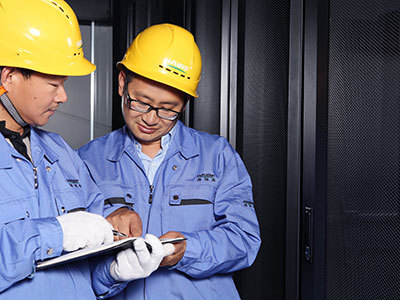
Schedule routine maintenance to check the functionality of cooling systems, ensuring that fans are operational and that there are no blockages in airflow.
2. Optimize Rack Layout
Arrange servers within the rack to promote efficient airflow. Use hot aisle/cold aisle configurations to separate hot and cold air, preventing heat buildup.
3. Monitor Temperature and Humidity Levels
Utilize monitoring tools to keep track of temperature and humidity levels within your server room. This data can help identify potential issues before they escalate.
Investing in Reliable Cooling Solutions: A Long-Term Strategy
Choosing the right cooling system is not just about immediate needs; it’s about future-proofing your business. Consider the following factors:
1. Scalability
As your business grows, so will your cooling needs. Invest in systems that can easily scale with your infrastructure, accommodating additional servers without a complete overhaul.
2. Energy Efficiency
Look for cooling solutions with high energy efficiency ratings. These systems can significantly reduce operational costs and contribute to sustainability goals.
3. Total Cost of Ownership
Evaluate the total cost of ownership for cooling systems, including installation, maintenance, and energy consumption. A higher initial investment may be justified by lower long-term costs.
FAQs about Server Rack Cooling Systems
1. How often should I maintain my server rack cooling system?
Regular maintenance is recommended at least twice a year to ensure optimal performance.
2. Can I use air conditioning for server cooling?
While air conditioning can help, it is not as efficient as dedicated server rack cooling systems, especially in high-density setups.
3. What are the signs that my server rack is overheating?
Look for warning signs such as unexpected shutdowns, system alerts, or unusually high temperatures around the server hardware.
4. How can I improve airflow in my server rack?
Optimize cable management, use blanking panels, and ensure that the rack is not obstructed to improve airflow.
5. What is the ideal temperature range for server operation?
Most servers operate best at temperatures between 68°F and 72°F (20°C to 22°C), with slight variations depending on the manufacturer.
Conclusion: The Necessity of a Reliable Server Rack Cooling System
In conclusion, investing in a **reliable server rack cooling system** is not just a technical concern; it is a vital business strategy. By protecting your hardware from overheating, enhancing performance, and extending equipment lifespan, you are safeguarding the backbone of your operations. As technology continues to advance, ensuring that your server environment is adequately cooled will play an essential role in your business's success. With the right cooling solution, you can confidently navigate the complexities of the digital age, ensuring that your data remains safe, your systems operate smoothly, and your organization continues to thrive.
Related news
Why Every Business Needs a Reliable Server Rack Cooling System
Introduction: The Importance of Server Rack Cooling Systems In the modern era, where businesses heavily rely on technology and data processing, maintaining an optimal environment for server equipment is paramount. **A reliable server rack cooling system** is essential to prevent overheating, ensuring the longevity of your hardware, and maintaining high performance. As organizations increasingly de
Enhancing Performance with AI Server Cooling Systems: A Comprehensive Overview
As the demand for advanced computing capabilities increases, the importance of efficient cooling systems in data centers and server rooms cannot be overstated. An AI server cooling system is designed to manage heat generated by high-performance servers, ensuring optimal performance and extending the lifespan of critical equipment. In this overview, we will explore the fundamentals of these systems
The Role of Monocrystalline Solar Panels in Smart Grids: Enhancing Energy Efficiency and Sustainability Table of Contents 1. Introduction to Smart Grids and Solar Energy 2. What are Monocrystalline Solar Panels? 3. Advantages of Monocrystalline Solar Panels 4. Integration of Monocrystalline Solar Panels with Smart Grids 5. The Impact of Monocrystalline Solar Panels on Energy Efficiency 6. Challen
In the realm of computer and digital products, especially within network hardware and components, maintaining an optimal environment is crucial for the performance and longevity of equipment. One pivotal solution for achieving this is the ceiling mounted precision air conditioner (CM-PAC). These systems are specifically engineered to regulate temperature and humidity levels in environments where s
Precision Cooling Systems: A Comprehensive Guide for IT Managers
Precision Cooling Systems: A Comprehensive Guide for IT Managers Table of Contents 1. Understanding Precision Cooling Systems 2. Importance of Precision Cooling in IT Environments 3. Different Types of Precision Cooling Systems 3.1. Computer Room Air Conditioning (CRAC) 3.2. In-Row Cooling Solutions 3.3. Overhead Cooling Systems 3.4. Liquid Cooling Systems 4. Key Features of an Effective Cooling S
Building an Efficient Computing Power Center Infrastructure for Your Network Hardware Business
When it comes to setting up a computing power center infrastructure, several critical factors must be taken into account. The first step is assessing your current and future computational needs. This involves estimating the processing power required for your operations, considering peak usage times, and planning for scalability. Having a clear understanding of your computational requirements will

Copyright Clarify:
copyright ownership belongs to Hairf Company, shall not be reproduced, copied,or used in other ways without permission.Otherwise, Hairf Company will have the right to pursue legal responsibilities.
Serial NO.:HFSZC171008

+86 13910733790
East of Huishan Road, Shuangfeng Development Zone,Hefei City, Anhui Province, China
ONLINE MESSAGES
copyright © 2022 Hairf Company


