







Precision Cooling Systems: A Comprehensive Guide for IT Managers
Published:
2026-11-10 11:01
Source:
Precision Cooling Systems: A Comprehensive Guide for IT Managers
Table of Contents
1. Understanding Precision Cooling Systems
2. Importance of Precision Cooling in IT Environments
3. Different Types of Precision Cooling Systems
3.1. Computer Room Air Conditioning (CRAC)
3.2. In-Row Cooling Solutions
3.3. Overhead Cooling Systems
3.4. Liquid Cooling Systems
4. Key Features of an Effective Cooling System
5. Energy Efficiency and Cost Management
6. Implementing Precision Cooling Solutions in Data Centers
7. Future Trends in Precision Cooling Technology
8. Frequently Asked Questions (FAQs)
9. Conclusion
1. Understanding Precision Cooling Systems
Precision cooling systems are specialized cooling solutions tailored for IT environments, particularly in data centers and server rooms. These systems are designed to effectively manage temperature and humidity levels to ensure optimal performance of IT equipment. Unlike conventional cooling systems that may provide uneven temperature distribution, precision cooling systems focus on delivering targeted cooling where it is needed most.
For IT managers, understanding how these systems operate is crucial for maintaining infrastructure efficiency and preventing equipment failure. A well-designed precision cooling system not only safeguards hardware investments but also significantly enhances operational reliability.
2. Importance of Precision Cooling in IT Environments
The significance of precision cooling cannot be overstated. With the increasing density of IT hardware and the ever-growing demand for data processing, maintaining appropriate environmental conditions is vital.
**Key benefits of precision cooling include:**
- **Enhanced Equipment Longevity**: Optimal cooling reduces the risk of overheating, extending the life of servers and networking components.
- **Improved Performance**: Consistent temperature control ensures that systems run at peak efficiency, minimizing the risk of throttling and downtime.
- **Increased Energy Efficiency**: By targeting cooling efforts, precision systems can lead to significant energy savings, which are crucial for managing operational costs.
3. Different Types of Precision Cooling Systems
Choosing the right precision cooling solution is essential for maximizing efficiency. Here, we explore several types of systems commonly used in IT environments.
3.1. Computer Room Air Conditioning (CRAC)
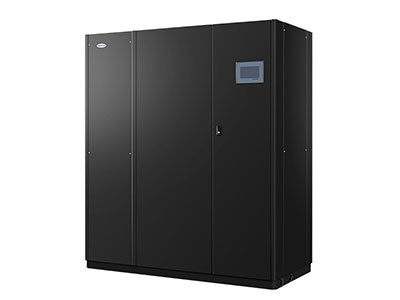
CRAC units are a traditional yet effective choice for precision cooling. They are typically positioned within the room and utilize either chilled water or refrigerant to cool the air. CRAC systems can be equipped with variable speed fans and advanced controls, allowing for precise temperature management.
3.2. In-Row Cooling Solutions
In-row cooling systems are positioned directly next to server racks, delivering cold air directly into the hot aisles. This method minimizes the mixing of hot and cold air, providing highly efficient cooling. As servers generate heat, in-row cooling reacts quickly to temperature changes, ensuring optimal conditions are maintained.
3.3. Overhead Cooling Systems
Overhead cooling systems install air distribution units in the ceiling, allowing cool air to flow downwards. This design is effective in large data centers and can be integrated with containment strategies to improve efficiency further.
3.4. Liquid Cooling Systems
Liquid cooling systems use water or other liquids to transfer heat away from servers. These systems are highly effective for high-density environments and can be more energy-efficient than traditional air cooling methods.
4. Key Features of an Effective Cooling System
When evaluating precision cooling systems, certain features must be prioritized to ensure maximum performance:
- **Temperature Control**: Advanced sensors and control systems allow for real-time monitoring and adjustments.
- **Redundancy**: Backup systems are crucial to prevent downtime during cooling failures.
- **Scalability**: The ability to adapt to growing IT needs without significant overhauls is essential.
- **Energy Efficiency**: Look for systems with high efficiency ratings to reduce operational costs.
5. Energy Efficiency and Cost Management
Energy consumption is one of the largest operational costs in data centers. Implementing precision cooling systems can lead to significant savings. Using advanced monitoring systems, IT managers can identify inefficiencies and optimize cooling strategies, such as:
- **Variable Speed Fans**: These adjust to cooling needs, reducing energy consumption during lower loads.
- **Hot Aisle/Cold Aisle Containment**: Implementing containment strategies ensures that hot and cold air do not mix, maximizing cooling efficiency and reducing energy waste.
6. Implementing Precision Cooling Solutions in Data Centers
The implementation of precision cooling systems requires careful planning. Here are steps that IT managers can take:
1. **Assess Current Cooling Needs**: Evaluate existing systems and identify areas for improvement.
2. **Select Appropriate Technology**: Choose cooling solutions that align with the facility’s requirements and future growth.
3. **Design for Efficiency**: Ensure that the design maximizes airflow and minimizes energy consumption.
4. **Monitor and Adjust**: Utilize monitoring tools to continuously assess performance and make necessary adjustments.
7. Future Trends in Precision Cooling Technology
As technology evolves, so does the approach to precision cooling. Key trends shaping the future include:
- **AI and Machine Learning**: These technologies are being utilized to predict cooling needs and optimize performance.
- **Sustainable Cooling Solutions**: With a growing emphasis on sustainability, more systems are being designed to reduce environmental impact.
- **Integration with Renewable Energy**: As data centers look to renewable energy sources, cooling systems are also aligning to support this transition.
8. Frequently Asked Questions (FAQs)
What are the benefits of precision cooling systems?
Precision cooling systems enhance equipment longevity, improve performance, and increase energy efficiency.
How do I choose the right cooling solution for my data center?
Consider factors such as current cooling needs, future growth, energy efficiency, and the type of IT equipment being used.
What are the main types of precision cooling systems?
The main types include CRAC systems, in-row cooling, overhead cooling, and liquid cooling systems.
Can precision cooling systems reduce energy costs?
Yes, effective precision cooling systems can significantly lower energy consumption, leading to reduced operational costs.
How do I monitor the effectiveness of my cooling system?
Utilize advanced monitoring tools that provide real-time data on temperature, humidity, and overall system performance.
9. Conclusion
Precision cooling systems are vital for maintaining the performance and reliability of IT infrastructure in data centers. By understanding the various types of cooling solutions, their benefits, and future trends, IT managers can make informed decisions that enhance system efficiency and reduce costs. Properly implemented precision cooling not only safeguards equipment but also aligns with sustainability goals, making it an essential consideration in today’s technology landscape.
Related news
Precision Cooling Systems: A Comprehensive Guide for IT Managers
Precision Cooling Systems: A Comprehensive Guide for IT Managers Table of Contents 1. Understanding Precision Cooling Systems 2. Importance of Precision Cooling in IT Environments 3. Different Types of Precision Cooling Systems 3.1. Computer Room Air Conditioning (CRAC) 3.2. In-Row Cooling Solutions 3.3. Overhead Cooling Systems 3.4. Liquid Cooling Systems 4. Key Features of an Effective Cooling S
Building an Efficient Computing Power Center Infrastructure for Your Network Hardware Business
When it comes to setting up a computing power center infrastructure, several critical factors must be taken into account. The first step is assessing your current and future computational needs. This involves estimating the processing power required for your operations, considering peak usage times, and planning for scalability. Having a clear understanding of your computational requirements will
Harnessing the Power of Liquid: A Comprehensive Exploration of CDU Cooling Systems
Harnessing the Power of Liquid: A Comprehensive Exploration of CDU Cooling Systems Table of Contents Introduction to CDU Cooling Systems Understanding Cooling Technology in Computing What is a CDU? Components of a CDU Cooling System Advantages of CDU Cooling Systems Challenges and Considerations in CDU Cooling Applications of CDU Cooling Systems in Industry The Fut
Unlocking the Future: Insights into AI Computing Infrastructure Solutions
As industries rapidly evolve towards more data-centric and AI-driven operations, the significance of AI computing infrastructure solutions has become increasingly vital. These solutions are designed to support the deployment and management of artificial intelligence applications, enabling organizations to harness data more effectively and achieve greater efficiencies. At the core of AI computing i
The Relationship Between High Density Rack Cooling and Hardware Lifespan In today’s rapidly evolving digital landscape, ensuring the longevity of network hardware is crucial for any organization. High-density rack cooling is not just a luxury; it is a necessity for maintaining optimal performance and extending the lifespan of your critical hardware. This article delves into the various aspects of
Understanding Liquid-Cooled Server Racks: A Comprehensive Guide
Liquid-cooled server racks represent a significant advancement in the field of data center cooling solutions, offering numerous benefits over traditional air cooling methods. In today’s digital age, where the demand for processing power and storage capacity continues to soar, maintaining optimal temperatures within server environments is crucial. This is where liquid cooling technology comes into

Copyright Clarify:
copyright ownership belongs to Hairf Company, shall not be reproduced, copied,or used in other ways without permission.Otherwise, Hairf Company will have the right to pursue legal responsibilities.
Serial NO.:HFSZC171008

+86 13910733790
East of Huishan Road, Shuangfeng Development Zone,Hefei City, Anhui Province, China
ONLINE MESSAGES
copyright © 2022 Hairf Company


