






Understanding Ceiling Mounted Precision Air Conditioners: A Key Component for Network Hardware Solutions
Published:
2026-11-11 11:21
Source:
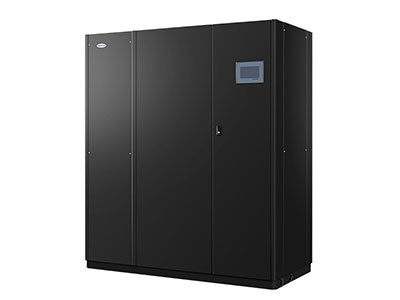
Ceiling mounted precision air conditioners are designed to deliver a steady flow of cool air directly to critical areas, unlike standard air conditioning units. This targeted cooling approach minimizes the risk of hot spots that can lead to performance issues or equipment failure. By maintaining a consistent temperature, these air conditioners help to protect data centers, server rooms, and network equipment from overheating, which is essential for optimal performance.
Another significant advantage of CM-PAC systems is their energy efficiency. As they operate in a precise manner, delivering only the amount of cooling necessary to maintain ideal environmental conditions, they can reduce energy consumption compared to traditional cooling systems. This not only helps organizations lower operational costs but also contributes to sustainability efforts, as less energy use translates to a reduced carbon footprint.
The installation of ceiling mounted precision air conditioners can also enhance space utilization. As these units are mounted high on the ceiling, they free up valuable floor space, allowing for more effective layout designs in server rooms and data centers. This is particularly beneficial in facilities where space is at a premium, as it allows for optimal organization of equipment and personnel.
Additionally, CM-PACs often come equipped with advanced control systems that allow for real-time monitoring and adjustments. This feature is crucial for maintaining the integrity of sensitive equipment, as it enables facility managers to respond promptly to any fluctuations in temperature or humidity levels. Many modern systems also offer remote access capabilities, allowing administrators to monitor conditions and make necessary adjustments from virtually anywhere, thereby enhancing operational efficiency.
In summary, ceiling mounted precision air conditioners are an indispensable component in the management of environments housing network hardware and components. Their ability to provide focused cooling, energy efficiency, space optimization, and advanced monitoring capabilities makes them a vital investment for any organization looking to safeguard its critical digital infrastructure. By implementing these systems, businesses can ensure that their equipment operates within optimal conditions, thereby enhancing reliability and performance.
Related news
The Role of Monocrystalline Solar Panels in Smart Grids: Enhancing Energy Efficiency and Sustainability Table of Contents 1. Introduction to Smart Grids and Solar Energy 2. What are Monocrystalline Solar Panels? 3. Advantages of Monocrystalline Solar Panels 4. Integration of Monocrystalline Solar Panels with Smart Grids 5. The Impact of Monocrystalline Solar Panels on Energy Efficiency 6. Challen
In the realm of computer and digital products, especially within network hardware and components, maintaining an optimal environment is crucial for the performance and longevity of equipment. One pivotal solution for achieving this is the ceiling mounted precision air conditioner (CM-PAC). These systems are specifically engineered to regulate temperature and humidity levels in environments where s
Precision Cooling Systems: A Comprehensive Guide for IT Managers
Precision Cooling Systems: A Comprehensive Guide for IT Managers Table of Contents 1. Understanding Precision Cooling Systems 2. Importance of Precision Cooling in IT Environments 3. Different Types of Precision Cooling Systems 3.1. Computer Room Air Conditioning (CRAC) 3.2. In-Row Cooling Solutions 3.3. Overhead Cooling Systems 3.4. Liquid Cooling Systems 4. Key Features of an Effective Cooling S
Building an Efficient Computing Power Center Infrastructure for Your Network Hardware Business
When it comes to setting up a computing power center infrastructure, several critical factors must be taken into account. The first step is assessing your current and future computational needs. This involves estimating the processing power required for your operations, considering peak usage times, and planning for scalability. Having a clear understanding of your computational requirements will
Harnessing the Power of Liquid: A Comprehensive Exploration of CDU Cooling Systems
Harnessing the Power of Liquid: A Comprehensive Exploration of CDU Cooling Systems Table of Contents Introduction to CDU Cooling Systems Understanding Cooling Technology in Computing What is a CDU? Components of a CDU Cooling System Advantages of CDU Cooling Systems Challenges and Considerations in CDU Cooling Applications of CDU Cooling Systems in Industry The Fut
Unlocking the Future: Insights into AI Computing Infrastructure Solutions
As industries rapidly evolve towards more data-centric and AI-driven operations, the significance of AI computing infrastructure solutions has become increasingly vital. These solutions are designed to support the deployment and management of artificial intelligence applications, enabling organizations to harness data more effectively and achieve greater efficiencies. At the core of AI computing i

Copyright Clarify:
copyright ownership belongs to Hairf Company, shall not be reproduced, copied,or used in other ways without permission.Otherwise, Hairf Company will have the right to pursue legal responsibilities.
Serial NO.:HFSZC171008

+86 13910733790
East of Huishan Road, Shuangfeng Development Zone,Hefei City, Anhui Province, China
ONLINE MESSAGES
copyright © 2022 Hairf Company


