








Maximizing Efficiency: The Crucial Impact of Precision Cooling in Server Rooms
Published:
2026-08-15 22:10
Source:
Maximizing Efficiency: The Crucial Impact of Precision Cooling in Server Rooms
Table of Contents
- 1. Introduction to Precision Cooling in Server Rooms
- 2. Importance of Cooling for Server Room Efficiency
- 3. How Precision Cooling Works
- 4. Types of Cooling Systems for Server Rooms
- 5. Key Design Considerations for Effective Cooling
- 6. Energy Efficiency and Cost Savings
- 7. Preventive Measures for Cooling System Maintenance
- 8. The Future of Precision Cooling Technologies
- 9. Frequently Asked Questions
- 10. Conclusion
1. Introduction to Precision Cooling in Server Rooms
In today’s digital age, server rooms serve as the backbone of organizational operations, housing critical hardware that stores and processes vast amounts of data. However, maintaining the optimal temperature within these environments is paramount. **Precision cooling** plays an instrumental role in ensuring that server rooms operate efficiently, minimizing downtime and avoiding hardware failures. This article delves into the intricacies of precision cooling systems, highlighting their significance and impact on server performance.
2. Importance of Cooling for Server Room Efficiency
The efficiency of a server room hinges on effective cooling. Servers generate considerable heat during operation, and without proper cooling solutions, temperature levels can rise dangerously high. Such heat build-up can lead to several issues, including:
Overheating and Hardware Damage
When servers overheat, they can suffer from performance degradation or complete failure, which can result in significant data loss and expensive repairs. Precision cooling helps mitigate this risk by maintaining stable temperature levels.
Increased Energy Consumption
Inefficient cooling systems often lead to excessive energy consumption. By implementing precision cooling, organizations can optimize energy use and reduce their carbon footprint.
Improved Reliability and Performance
A well-cooled server room ensures that hardware runs at optimal performance levels, enhancing reliability and extending the lifespan of expensive equipment.
3. How Precision Cooling Works
Precision cooling employs advanced techniques to maintain ideal temperature and humidity levels in server rooms. **Key components** of precision cooling systems include:
Temperature Sensors
These sensors monitor real-time temperature and humidity levels, allowing systems to make adjustments as needed to maintain optimal conditions.
Chillers and Cooling Units
Chillers are responsible for circulating cooled water through cooling coils, which absorb heat from the server room air. This process is crucial for achieving precise temperature control.
Airflow Management
Effective airflow is essential in preventing hotspots within server rooms. Precision cooling systems utilize strategically placed vents, ducts, and fans to ensure that cooled air reaches all areas efficiently.
4. Types of Cooling Systems for Server Rooms
There are several types of cooling systems utilized in server rooms, each with distinct advantages:
CRAC Units (Computer Room Air Conditioning)
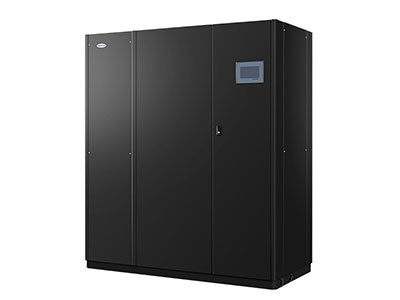
CRAC units are designed specifically for cooling server rooms. They utilize chilled water or refrigerant to cool air and distribute it evenly throughout the environment.
In-Row Cooling
This system places cooling units between server racks, allowing for more targeted cooling where it is most needed. This method is particularly effective in high-density environments.
Cold Aisle Containment
In this design, cold air is channeled to the front of server racks while hot air is expelled toward the back, creating a more efficient cooling environment by preventing hot and cold air from mixing.
5. Key Design Considerations for Effective Cooling
When designing a server room with precision cooling in mind, several factors must be considered:
Room Layout
An efficient server room layout maximizes airflow and minimizes the risk of hotspots. Proper positioning of racks and cooling units is crucial for optimal performance.
Thermal Load Assessment
Understanding the thermal load of the hardware is essential for selecting the appropriate cooling system. This assessment ensures that the cooling solution is adequately sized and capable of handling the heat generated.
Redundancy and Reliability
Implementing redundant cooling systems can safeguard against potential failures. This approach ensures that if one cooling unit fails, another can take over, maintaining optimal conditions.
6. Energy Efficiency and Cost Savings
Precision cooling systems not only maintain optimal temperatures but also enhance energy efficiency.
Lower Operating Costs
By optimizing cooling efficiency, organizations can significantly reduce their energy bills. More efficient systems consume less power, translating to cost savings over time.
Return on Investment (ROI)
Investing in quality precision cooling technology can yield a substantial ROI through increased operational efficiencies and reduced maintenance costs.
7. Preventive Measures for Cooling System Maintenance
To ensure the longevity and effectiveness of precision cooling systems, regular maintenance is crucial.
Routine Inspections
Conducting regular inspections allows for early detection of potential issues, ensuring that cooling systems function optimally.
Filter Changes and Cleaning
Dirty filters can impede airflow and reduce cooling efficiency. Regularly changing and cleaning filters is essential for maintaining system performance.
Calibration of Sensors
Ensuring that temperature sensors are accurately calibrated is vital. Regular calibration helps maintain the precision of the cooling system, optimizing its functionality.
8. The Future of Precision Cooling Technologies
As technology advances, so do precision cooling solutions. Emerging trends include:
AI and Machine Learning
AI-driven cooling systems can analyze usage patterns and adjust cooling output dynamically, enhancing efficiency and adapting to changing workloads.
Eco-Friendly Cooling Solutions
The shift towards sustainability has led to the development of eco-friendly cooling technologies, such as liquid cooling and free cooling options that utilize natural sources.
9. Frequently Asked Questions
What is precision cooling?
Precision cooling refers to the methods and technologies used to maintain strict temperature and humidity levels in environments such as server rooms, where hardware operates under specific conditions.
Why is cooling important for servers?
Servers generate significant heat during operation. Effective cooling is critical to prevent overheating, maintain performance, and extend the lifespan of hardware.
What type of cooling system is best for my server room?
The best cooling system depends on factors like room size, server density, and budget. Options include CRAC units, in-row cooling, and cold aisle containment.
How can I improve the energy efficiency of my cooling system?
Improving energy efficiency can be achieved through regular maintenance, optimizing airflow, and investing in advanced cooling technologies.
What maintenance is required for precision cooling systems?
Regular maintenance includes routine inspections, filter changes, and sensor calibrations to ensure optimal performance and longevity of the system.
10. Conclusion
Precision cooling is a vital component of server room management that directly impacts operational efficiency and hardware longevity. By understanding the importance of effective cooling solutions and implementing best practices, organizations can maximize performance, minimize energy consumption, and safeguard their critical data infrastructure. As technology continues to evolve, staying informed about advancements in cooling technology will be essential for maintaining optimal server conditions and achieving long-term success.
Related news
Why Every Business Needs a Reliable Server Rack Cooling System
Introduction: The Importance of Server Rack Cooling Systems In the modern era, where businesses heavily rely on technology and data processing, maintaining an optimal environment for server equipment is paramount. **A reliable server rack cooling system** is essential to prevent overheating, ensuring the longevity of your hardware, and maintaining high performance. As organizations increasingly de
Enhancing Performance with AI Server Cooling Systems: A Comprehensive Overview
As the demand for advanced computing capabilities increases, the importance of efficient cooling systems in data centers and server rooms cannot be overstated. An AI server cooling system is designed to manage heat generated by high-performance servers, ensuring optimal performance and extending the lifespan of critical equipment. In this overview, we will explore the fundamentals of these systems
The Role of Monocrystalline Solar Panels in Smart Grids: Enhancing Energy Efficiency and Sustainability Table of Contents 1. Introduction to Smart Grids and Solar Energy 2. What are Monocrystalline Solar Panels? 3. Advantages of Monocrystalline Solar Panels 4. Integration of Monocrystalline Solar Panels with Smart Grids 5. The Impact of Monocrystalline Solar Panels on Energy Efficiency 6. Challen
In the realm of computer and digital products, especially within network hardware and components, maintaining an optimal environment is crucial for the performance and longevity of equipment. One pivotal solution for achieving this is the ceiling mounted precision air conditioner (CM-PAC). These systems are specifically engineered to regulate temperature and humidity levels in environments where s
Precision Cooling Systems: A Comprehensive Guide for IT Managers
Precision Cooling Systems: A Comprehensive Guide for IT Managers Table of Contents 1. Understanding Precision Cooling Systems 2. Importance of Precision Cooling in IT Environments 3. Different Types of Precision Cooling Systems 3.1. Computer Room Air Conditioning (CRAC) 3.2. In-Row Cooling Solutions 3.3. Overhead Cooling Systems 3.4. Liquid Cooling Systems 4. Key Features of an Effective Cooling S
Building an Efficient Computing Power Center Infrastructure for Your Network Hardware Business
When it comes to setting up a computing power center infrastructure, several critical factors must be taken into account. The first step is assessing your current and future computational needs. This involves estimating the processing power required for your operations, considering peak usage times, and planning for scalability. Having a clear understanding of your computational requirements will

Copyright Clarify:
copyright ownership belongs to Hairf Company, shall not be reproduced, copied,or used in other ways without permission.Otherwise, Hairf Company will have the right to pursue legal responsibilities.
Serial NO.:HFSZC171008

+86 13910733790
East of Huishan Road, Shuangfeng Development Zone,Hefei City, Anhui Province, China
ONLINE MESSAGES
copyright © 2022 Hairf Company


