







Understanding Computing Power Center Infrastructure: Key Components and Considerations
Published:
2026-08-14 23:50
Source:
At the core of a computing power center is the computing hardware itself. This typically includes servers, which are the workhorses of any computing power center. Servers process data requests, run applications, and store information. It's essential to select servers that align with your operational requirements, considering factors such as processing speed, memory capacity, and energy efficiency.
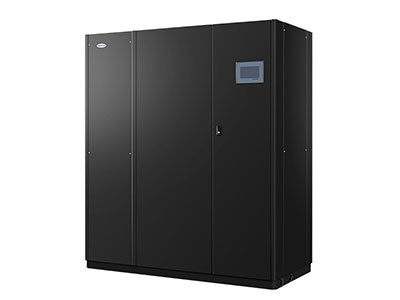
Cooling systems are another vital aspect of computing power center infrastructure. Given the significant heat generated by high-performance servers, effective cooling mechanisms are crucial for maintaining optimal operating conditions. Solutions can range from traditional air conditioning systems to advanced liquid cooling technologies, each with its advantages and limitations. A well-designed cooling system not only prolongs the life of your hardware but also enhances overall efficiency.
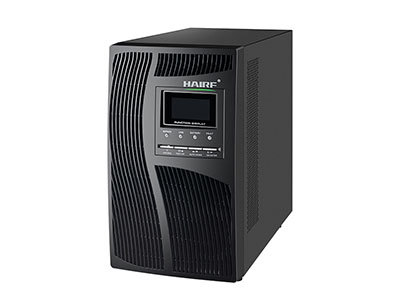
Power supply and management are equally important components. A reliable power source ensures that your computing power center operates without interruptions. Organizations often invest in redundant power supplies and uninterruptible power supplies (UPS) to safeguard against power outages. Additionally, monitoring systems can track power usage and help optimize energy consumption, which is vital for cost management and sustainability.
Networking components form the connective tissue of a computing power center. High-speed switches, routers, and cabling facilitate communication between servers, storage systems, and external networks. Investing in quality networking hardware can significantly influence the performance and reliability of your infrastructure. It’s essential to evaluate the bandwidth needs of your applications and choose networking solutions that can scale accordingly.
Security is another critical consideration in designing computing power center infrastructure. As cyber threats become increasingly sophisticated, robust security measures, such as firewalls, intrusion detection systems, and regular audits, are necessary to protect sensitive information and maintain operational integrity.
Finally, the layout and design of your computing power center should promote efficient workflow and maintenance. Proper organization of hardware, clear labeling, and accessibility can streamline operations and enhance troubleshooting efforts.
In conclusion, building an effective computing power center infrastructure requires a comprehensive understanding of its key components, including computing hardware, cooling systems, power management, networking, and security. By carefully considering these elements, organizations can create a resilient and efficient environment that meets their computing needs.
Related news
Enhancing Performance with AI Server Cooling Systems: A Comprehensive Overview
As the demand for advanced computing capabilities increases, the importance of efficient cooling systems in data centers and server rooms cannot be overstated. An AI server cooling system is designed to manage heat generated by high-performance servers, ensuring optimal performance and extending the lifespan of critical equipment. In this overview, we will explore the fundamentals of these systems
The Role of Monocrystalline Solar Panels in Smart Grids: Enhancing Energy Efficiency and Sustainability Table of Contents 1. Introduction to Smart Grids and Solar Energy 2. What are Monocrystalline Solar Panels? 3. Advantages of Monocrystalline Solar Panels 4. Integration of Monocrystalline Solar Panels with Smart Grids 5. The Impact of Monocrystalline Solar Panels on Energy Efficiency 6. Challen
In the realm of computer and digital products, especially within network hardware and components, maintaining an optimal environment is crucial for the performance and longevity of equipment. One pivotal solution for achieving this is the ceiling mounted precision air conditioner (CM-PAC). These systems are specifically engineered to regulate temperature and humidity levels in environments where s
Precision Cooling Systems: A Comprehensive Guide for IT Managers
Precision Cooling Systems: A Comprehensive Guide for IT Managers Table of Contents 1. Understanding Precision Cooling Systems 2. Importance of Precision Cooling in IT Environments 3. Different Types of Precision Cooling Systems 3.1. Computer Room Air Conditioning (CRAC) 3.2. In-Row Cooling Solutions 3.3. Overhead Cooling Systems 3.4. Liquid Cooling Systems 4. Key Features of an Effective Cooling S
Building an Efficient Computing Power Center Infrastructure for Your Network Hardware Business
When it comes to setting up a computing power center infrastructure, several critical factors must be taken into account. The first step is assessing your current and future computational needs. This involves estimating the processing power required for your operations, considering peak usage times, and planning for scalability. Having a clear understanding of your computational requirements will
Harnessing the Power of Liquid: A Comprehensive Exploration of CDU Cooling Systems
Harnessing the Power of Liquid: A Comprehensive Exploration of CDU Cooling Systems Table of Contents Introduction to CDU Cooling Systems Understanding Cooling Technology in Computing What is a CDU? Components of a CDU Cooling System Advantages of CDU Cooling Systems Challenges and Considerations in CDU Cooling Applications of CDU Cooling Systems in Industry The Fut

Copyright Clarify:
copyright ownership belongs to Hairf Company, shall not be reproduced, copied,or used in other ways without permission.Otherwise, Hairf Company will have the right to pursue legal responsibilities.
Serial NO.:HFSZC171008

+86 13910733790
East of Huishan Road, Shuangfeng Development Zone,Hefei City, Anhui Province, China
ONLINE MESSAGES
copyright © 2022 Hairf Company


