






How to Select the Right Precision Cooling System for Your Server Room
Published:
2026-09-24 14:30
Source:
How to Select the Right Precision Cooling System for Your Server Room
Table of Contents
- Understanding Precision Cooling Systems
- Importance of Cooling in Server Rooms
- Key Factors to Consider When Selecting a Cooling System
- Types of Precision Cooling Systems
- Computer Room Air Conditioning (CRAC)
- Computer Room Air Handling (CRAH)
- In-Row Cooling
- Overhead Cooling
- Installation Considerations
- Monitoring and Maintenance
- Cost Considerations
- Conclusion
- FAQs
Understanding Precision Cooling Systems
When managing a server room, maintaining an optimal temperature is crucial for ensuring the performance and longevity of your equipment. A precision cooling system is specifically designed to provide controlled cooling for environments that house sensitive electronic equipment. Unlike traditional air conditioning units, these systems are tailored to meet the specific thermal and humidity requirements of data centers and server rooms.
Importance of Cooling in Server Rooms
In a data center or server room, the equipment generates significant heat during operation. Overheating can lead to reduced performance, hardware failures, and ultimately costly downtime. Precision cooling systems help mitigate these risks by maintaining a stable and controlled environment. This not only prolongs the lifespan of your equipment but also improves operational efficiency.
Key Factors to Consider When Selecting a Cooling System
Selecting the right precision cooling system is critical for ensuring the effective operation of your server room. Below are some key factors to consider:
Cooling Capacity and Load Requirements
Before choosing a cooling system, it's essential to determine your server room's cooling capacity needs. This involves calculating the total heat load generated by all the equipment within the room. Factors such as the number of servers, the type of equipment, and their power consumption play a significant role in determining the cooling capacity required. Tools such as the BTU (British Thermal Unit) calculator can help you assess your cooling requirements accurately.
Energy Efficiency
Energy consumption is a critical aspect of operating a server room. Selecting an energy-efficient cooling system not only reduces operational costs but also minimizes your environmental impact. Look for systems with a high Energy Efficiency Ratio (EER) or Seasonal Energy Efficiency Ratio (SEER) ratings, as these indicators reflect the unit’s energy consumption in relation to its cooling output.
Scalability and Future Needs
As technology evolves, your cooling needs may change. It is vital to select a cooling system that can easily scale with your growth. This means considering systems that allow for additional units or upgrades without requiring a complete overhaul of your existing setup. Planning for future expansion can save you time and money in the long run.
Types of Precision Cooling Systems
There are several types of precision cooling systems available, each with its unique features and benefits. Understanding these options will help you select the best system for your server room:
Computer Room Air Conditioning (CRAC)
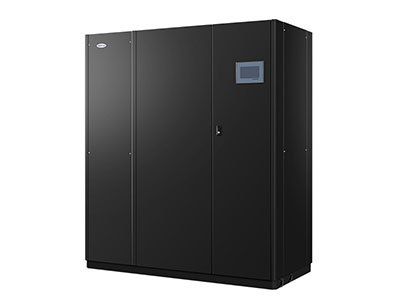
CRAC units are a popular choice for server rooms. They utilize refrigerants to cool the air, distributing it through ducts or fans. These systems are ideal for smaller server rooms where space is a concern. CRAC units can be configured to operate in various modes, allowing for flexibility in temperature and humidity control.
Computer Room Air Handling (CRAH)
CRAH units use chilled water instead of refrigerants. They draw in warm air, cool it using water-cooled coils, and then distribute the cooled air back into the room. This type of system is more energy-efficient, especially in larger data centers, where water cooling can provide significant cost savings.
In-Row Cooling
In-row cooling systems are designed to be installed directly between server racks. This setup minimizes the distance that cooled air must travel, enhancing efficiency. By addressing hotspots directly at the source, in-row systems can effectively manage temperatures even in high-density server environments.
Overhead Cooling
Overhead cooling systems are installed above the server racks, distributing cold air downward. This design allows for efficient airflow management and is particularly effective in larger server rooms. Overhead systems can be integrated with existing HVAC systems for enhanced temperature control.
Installation Considerations
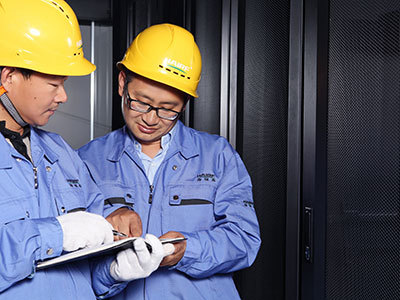
Proper installation is crucial for maximizing the efficiency of your precision cooling system. Factors such as room layout, airflow management, and vent positioning play significant roles in cooling performance. Collaborating with experienced technicians can ensure that the system is installed correctly and meets all operational requirements.
Monitoring and Maintenance
Regular monitoring and maintenance are vital to the efficiency and longevity of your precision cooling system. Implementing a monitoring solution can provide real-time data on temperature, humidity, and airflow, allowing for timely adjustments and preventive measures. Scheduled maintenance checks will help identify potential issues before they become costly problems.
Cost Considerations
While upfront costs are important, it is equally essential to consider the long-term operational expenses associated with your cooling system. Evaluate installation costs, energy consumption, and anticipated maintenance expenses to understand the total cost of ownership. Investing in a high-quality, energy-efficient system may come with a higher initial price but can result in substantial savings over time.
Conclusion
Selecting the right precision cooling system for your server room is a critical decision that impacts the longevity and performance of your equipment. By understanding the basics of precision cooling, assessing your specific needs, and considering various system types, you can make an informed choice that will benefit your organization for years to come. Prioritize energy efficiency, scalability, and proper installation and maintenance to ensure that your cooling solution meets the demands of your evolving technology landscape.
FAQs
1. What is the ideal temperature for a server room?
The ideal temperature for a server room typically ranges from 68 to 72 degrees Fahrenheit (20 to 22 degrees Celsius). Maintaining this range helps optimize performance and reduce the risk of overheating.
2. How often should I perform maintenance on my precision cooling system?
It is recommended to conduct maintenance checks on your precision cooling system at least twice a year. However, if your server room experiences high loads or is subject to environmental changes, more frequent checks may be necessary.
3. Can I install a precision cooling system myself?
While some individuals may have the technical expertise to install a cooling system, it is advisable to hire trained professionals. Proper installation is crucial for efficiency and compliance with safety standards.
4. How do I calculate the cooling capacity needed for my server room?
To calculate the cooling capacity, you need to measure the total heat output from all equipment in BTUs, including servers, networking devices, and any other electronics. Tools like the BTU calculator can assist in this process.
5. Is energy-efficient cooling worth the investment?
Yes, energy-efficient cooling systems can lead to significant cost savings on energy bills over time. They also contribute to reduced environmental impact, making them a sustainable choice for your data center.
Related news
How to Select the Right Precision Cooling System for Your Server Room
How to Select the Right Precision Cooling System for Your Server Room Table of Contents Understanding Precision Cooling Systems Importance of Cooling in Server Rooms Key Factors to Consider When Selecting a Cooling System Cooling Capacity and Load Requirements Energy Efficiency Scalability and Future Needs Types of Precision Cooling Systems Comput
Understanding Computing Power Center Infrastructure: The Backbone of Modern Networking
In today’s technology-driven world, the demand for robust computing power center infrastructure is more critical than ever. As businesses increasingly rely on digital solutions, understanding the architecture and components that form the backbone of computing power centers becomes essential. Computing power centers, often referred to as data centers, are facilities that house computer systems and
The Future of Cooling: Exploring Liquid Cooling CDU Systems
The Future of Cooling: Exploring Liquid Cooling CDU Systems As the demand for high-performance computing continues to rise, traditional air cooling methods struggle to keep pace with the heat generated by advanced hardware. Enter liquid cooling systems, particularly the innovative CDU (Cold Distribution Unit) systems, which promise to revolutionize the cooling landscape. This article delves into t
Unlocking the Power of AI Computing Infrastructure Solutions for Enhanced Network Performance
--- In today's rapidly evolving technological landscape, the demand for AI computing infrastructure solutions is becoming increasingly crucial, particularly in the realm of computer digital products and network hardware components. Such solutions offer a robust framework that not only supports AI applications but also significantly enhances the overall network performance. At the core of AI comput
Assessing the ROI of High Density Rack Cooling Implementations Table of Contents 1. Understanding High Density Rack Cooling 2. The Importance of Efficient Cooling in Data Centers 3. Evaluating the Need for High Density Cooling Solutions 3.1 Identifying High-Density Equipment 3.2 Recognizing Cooling Challenges 4. Financial Implications: Calculating ROI 4.1 Initial Investment vs. Long-term Savings 4
Unlocking Efficiency: The Advantages of Liquid Cooled Server Racks
Liquid cooled server racks have emerged as a pivotal solution for organizations seeking to enhance their data center efficiency and reliability. Unlike traditional air-cooled systems, these advanced cooling solutions utilize liquid to dissipate heat generated by servers and other network hardware. This innovative approach offers several benefits that are crucial for maintaining optimal performance

Copyright Clarify:
copyright ownership belongs to Hairf Company, shall not be reproduced, copied,or used in other ways without permission.Otherwise, Hairf Company will have the right to pursue legal responsibilities.
Serial NO.:HFSZC171008

+86 13910733790
East of Huishan Road, Shuangfeng Development Zone,Hefei City, Anhui Province, China
ONLINE MESSAGES
copyright © 2022 Hairf Company


