






Understanding Computing Power Center Infrastructure: The Backbone of Modern Networking
Published:
2026-09-23 13:30
Source:
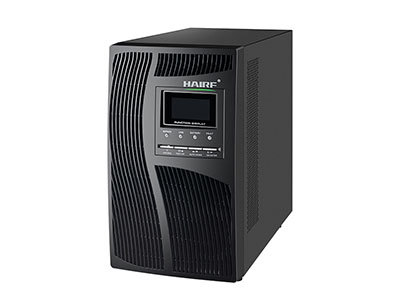
At the heart of computing power center infrastructure lies the physical facility, which must be equipped with a reliable power supply, efficient cooling systems, and robust security measures. Power supply is vital, as computing systems require uninterrupted electricity to maintain operations. Businesses often implement redundant power sources and uninterruptible power supplies (UPS) to mitigate risks associated with power outages.
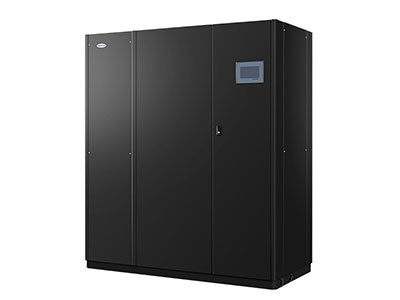
Cooling systems are equally important; they regulate the temperature within data centers to prevent overheating of equipment. Common methods include air conditioning units and liquid cooling systems. Effective cooling not only prolongs the life of hardware but also enhances energy efficiency, which can translate to lower operational costs.
Another critical aspect of computing power center infrastructure is the networking hardware itself. This includes routers, switches, and firewalls that facilitate data transfer and safeguard against external threats. The arrangement and configuration of these components can greatly influence network performance and reliability. Businesses must ensure that their networking infrastructure is scalable, allowing for growth as data demands increase.
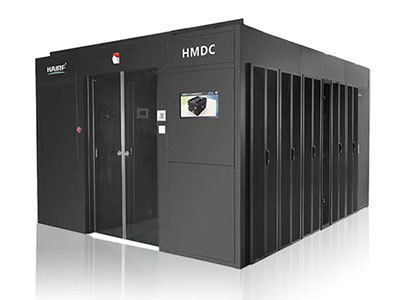
Moreover, the layout of a computing power center plays a significant role in operational efficiency. Hot and cold aisle containment strategies help manage airflow and optimize cooling. In addition, proper cable management is essential to reduce clutter and enhance accessibility for maintenance purposes.
Furthermore, as organizations navigate an increasingly digital landscape, considering energy efficiency and sustainability becomes crucial. Many data centers are adopting eco-friendly technologies and practices to minimize their carbon footprint. This not only aligns with global sustainability goals but can also result in significant cost savings over time.
In conclusion, understanding computing power center infrastructure is vital for businesses that depend on effective networking solutions. By investing in reliable power sources, advanced cooling systems, and scalable networking hardware, organizations can enhance their operational efficiency, improve data security, and future-proof their technological investments. As the digital landscape continues to evolve, so too must the infrastructures that support it, ensuring businesses can meet the demands of today and tomorrow.
Related news
Harnessing the Power of Liquid: A Comprehensive Exploration of CDU Cooling Systems
Harnessing the Power of Liquid: A Comprehensive Exploration of CDU Cooling Systems Table of Contents Introduction to CDU Cooling Systems Understanding Cooling Technology in Computing What is a CDU? Components of a CDU Cooling System Advantages of CDU Cooling Systems Challenges and Considerations in CDU Cooling Applications of CDU Cooling Systems in Industry The Fut
Unlocking the Future: Insights into AI Computing Infrastructure Solutions
As industries rapidly evolve towards more data-centric and AI-driven operations, the significance of AI computing infrastructure solutions has become increasingly vital. These solutions are designed to support the deployment and management of artificial intelligence applications, enabling organizations to harness data more effectively and achieve greater efficiencies. At the core of AI computing i
The Relationship Between High Density Rack Cooling and Hardware Lifespan In today’s rapidly evolving digital landscape, ensuring the longevity of network hardware is crucial for any organization. High-density rack cooling is not just a luxury; it is a necessity for maintaining optimal performance and extending the lifespan of your critical hardware. This article delves into the various aspects of
Understanding Liquid-Cooled Server Racks: A Comprehensive Guide
Liquid-cooled server racks represent a significant advancement in the field of data center cooling solutions, offering numerous benefits over traditional air cooling methods. In today’s digital age, where the demand for processing power and storage capacity continues to soar, maintaining optimal temperatures within server environments is crucial. This is where liquid cooling technology comes into
Comparing Air vs. Liquid Cooling for Server Racks: Which System Reigns Supreme?
Comparing Air vs. Liquid Cooling for Server Racks: Which System Reigns Supreme? Table of Contents Introduction to Server Cooling Solutions The Importance of Effective Cooling in Data Centers Understanding Air Cooling Systems Exploring Liquid Cooling Systems Comparing Efficiency: Air vs. Liquid Cooling Cost Analysis of Air and Liquid Cooling Systems Installation and Maintenance Con
Revolutionizing Efficiency: The Importance of AI Server Cooling Systems
As technological advancements continue to accelerate, servers are becoming increasingly powerful, capable of processing vast amounts of data at unprecedented speeds. However, with this surge in performance comes the challenge of heat management. Overheating can lead to hardware failures, reduced efficiency, and increased operational costs. This is where AI server cooling systems come into play, of

Copyright Clarify:
copyright ownership belongs to Hairf Company, shall not be reproduced, copied,or used in other ways without permission.Otherwise, Hairf Company will have the right to pursue legal responsibilities.
Serial NO.:HFSZC171008

+86 13910733790
East of Huishan Road, Shuangfeng Development Zone,Hefei City, Anhui Province, China
ONLINE MESSAGES
copyright © 2022 Hairf Company


