






Avoiding Downtime: The Critical Need for Precision Cooling Solutions in Network Hardware and Components
Published:
2026-10-04 13:01
Source:
Avoiding Downtime: The Critical Need for Precision Cooling Solutions in Network Hardware and Components
Understanding the Importance of Cooling in Network Hardware
In the realm of **network hardware** and **components**, maintaining efficient cooling systems is fundamental. Excessive heat can lead to a variety of problems, including hardware failures, reduced performance, and ultimately, extended downtimes. Research indicates that **overheating** can reduce the lifespan of electronic equipment by up to 50%. Thus, implementing **precision cooling solutions** is not just a luxury; it’s a necessity.
The Link Between Downtime and Cooling Solutions
Downtime represents one of the most significant threats to businesses relying on network infrastructure. Whether it’s due to planned maintenance or unexpected failures, the costs associated with downtime can be staggering. In fact, a single hour of downtime can cost enterprises thousands of dollars. Precision cooling solutions play a pivotal role in mitigating these risks.
What is Precision Cooling?
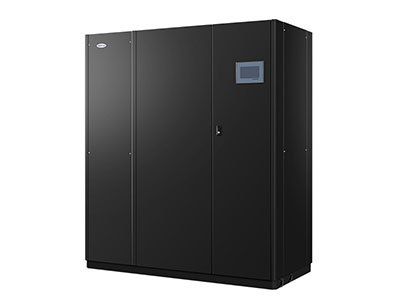
Precision cooling refers to specialized cooling systems designed to manage heat in critical environments. Unlike standard air conditioning systems, precision cooling is tailored to maintain specific temperature and humidity levels, ensuring that sensitive hardware operates within safe thresholds.
Key Features of Precision Cooling Systems
Precision cooling systems come equipped with several key features that enhance their performance:
1. **Temperature Control**: Maintains optimal temperature ranges tailored to specific hardware requirements.
2. **Humidity Control**: Prevents moisture-related damage to sensitive electronic components.
3. **Energy Efficiency**: Utilizes advanced technologies to reduce energy consumption while enhancing cooling effectiveness.
4. **Scalability**: Adapts to changing requirements in data centers or network environments, making it suitable for growing businesses.
5. **Remote Monitoring**: Provides real-time feedback and alerts regarding system performance and environmental conditions.
Types of Precision Cooling Solutions
Various precision cooling solutions are available, each designed to address specific needs within network hardware environments. Let’s explore some of the most effective options.
1. In-Row Cooling
In-row cooling systems are placed between server racks, allowing cold air to flow directly into the hot aisles created by equipment operation. This targeted approach increases efficiency and reduces energy costs while effectively managing heat.
Benefits of In-Row Cooling
- Enhanced air distribution
- Reduced air mixing
- Improved energy efficiency
2. Chilled Beams
Chilled beam systems utilize convection to cool the air. By circulating chilled water through beams installed in the ceiling, these systems provide a sophisticated method of temperature control while using minimal energy.
Advantages of Chilled Beams
- Low energy consumption
- Reduced noise levels
- Excellent humidity control
3. Raised Floor Cooling
Raised floor cooling involves utilizing a raised floor space to distribute cool air throughout the data center or network area. This method allows for efficient airflow management and can be easily adapted to changing layouts.
Highlights of Raised Floor Cooling
- Flexible design
- Easy access for maintenance and upgrades
- Improved airflow management
Best Practices for Implementing Precision Cooling Solutions
Implementing precision cooling solutions is not just about choosing the right technology; it also involves strategic planning and maintenance. Here are some best practices to consider:
1. Conduct a Comprehensive Heat Load Analysis
Before selecting or upgrading cooling solutions, conducting a thorough heat load analysis is essential. This analysis identifies the specific cooling needs based on equipment types, layouts, and operational demands.
2. Invest in Monitoring Solutions
Real-time monitoring of temperature and humidity levels allows for proactive adjustments to cooling systems. Investing in monitoring solutions can help identify potential issues before they escalate, ensuring that network operations remain uninterrupted.
3. Regular Maintenance and Upgrades
Routine maintenance is crucial for the longevity and efficiency of precision cooling solutions. Regular inspections and timely upgrades ensure that systems are functioning optimally and can adapt to new technological changes or increases in demand.
4. Employee Training and Awareness
Educating staff about the importance of precision cooling and the specific needs of network hardware can foster a culture of proactive maintenance. Training employees to recognize potential issues can help prevent downtime.
The ROI of Precision Cooling Solutions
Investing in precision cooling solutions may seem costly upfront, but the return on investment (ROI) can be substantial. By reducing downtime, enhancing equipment lifespan, and improving energy efficiency, businesses can realize significant savings over time.
Calculating the Cost of Downtime
To fully understand the ROI, it’s essential to calculate the cost of downtime specific to your organization. Consider direct costs such as lost revenue and indirect costs including damage to reputation and customer trust.
Energy Savings Benefits
Precision cooling systems are designed for energy efficiency. By reducing energy consumption, businesses can lower operational costs significantly, thereby increasing the overall ROI of their cooling investments.
Common Myths About Precision Cooling Solutions
Misconceptions about precision cooling can lead to poor decision-making. Let’s debunk some common myths.
1. Precision Cooling is Only for Large Data Centers
While large data centers significantly benefit from precision cooling, smaller operations and businesses can also gain advantages. Any environment with sensitive hardware can utilize precision cooling to prevent downtime.
2. Standard AC Units are Sufficient
Standard air conditioning units lack the specificity required for critical environments. Precision cooling systems are specifically engineered to address the unique demands of network hardware, making them essential for reliable operations.
3. Implementing Precision Cooling is Too Complex
With the right planning and resources, implementing precision cooling solutions can be a straightforward process. Working with experienced professionals can streamline the integration and ensure optimal setup.
Future Trends in Precision Cooling for Network Hardware
The landscape of precision cooling solutions is continually evolving. Here are some trends to watch in the coming years.
1. Green Cooling Technologies
As businesses become more environmentally conscious, the focus on green cooling technologies will increase. Solutions that utilize sustainable methods and materials will gain traction in the market.
2. AI and IoT Integration
The integration of Artificial Intelligence (AI) and the Internet of Things (IoT) will enhance monitoring and control capabilities within precision cooling systems. Smart solutions that automatically adjust settings based on real-time data will become the norm.
3. Modular Cooling Solutions
Modular cooling systems that can be easily expanded or adapted to changing needs will likely become more popular. Such systems offer flexibility, making them ideal for rapidly growing businesses.
Conclusion
In today’s technology-driven world, preventing downtime is critical for maintaining competitive advantage. Precision cooling solutions are vital in ensuring that network hardware and components operate at peak performance. By understanding the importance of these systems, their various types, and best practices for implementation, businesses can safeguard against the risks associated with overheating and downtime. Investing in precision cooling not only protects valuable assets but also enhances operational efficiency and sustainability.
Frequently Asked Questions (FAQs)
1. What is the primary benefit of precision cooling solutions?
Precision cooling solutions primarily prevent overheating, which can lead to hardware failure and downtime, ensuring continuous operation of network systems.
2. How often should precision cooling systems be maintained?
Regular maintenance should be conducted at least twice a year or as recommended by the manufacturer to ensure optimal performance.
3. Can small businesses benefit from precision cooling?
Absolutely! Small businesses with sensitive electronic equipment can significantly reduce the risk of failure and downtime by investing in precision cooling.
4. Are there energy-efficient options for precision cooling?
Yes, many modern precision cooling systems are designed to be energy-efficient, reducing overall operational costs while maintaining optimal cooling performance.
5. What should I consider when choosing a precision cooling solution?
Consider factors such as your specific cooling needs, energy efficiency, scalability, and any specific environmental control requirements unique to your hardware.
Related news
Avoiding Downtime: The Critical Need for Precision Cooling Solutions in Network Hardware and Components Understanding the Importance of Cooling in Network Hardware In the realm of **network hardware** and **components**, maintaining efficient cooling systems is fundamental. Excessive heat can lead to a variety of problems, including hardware failures, reduced performance, and ultimately, extended
Understanding Computing Power Center Infrastructure: The Backbone of Modern Network Hardware
--- In the rapidly evolving landscape of digital technology, computing power center infrastructure plays a pivotal role in supporting a variety of network hardware and components. This infrastructure encompasses the physical facilities and systems that enable the processing, storage, and dissemination of data across various platforms. Understanding its components and functionalities is crucial for
Is Your System Overheating? Discover the Ultimate Solution with Liquid Cooling CDU Systems
Is Your System Overheating? The Solution: Liquid Cooling CDU Systems Understanding Overheating in Computer Systems Overheating is a common issue in modern computer systems, impacting performance, longevity, and overall functionality. When internal components, such as the CPU and GPU, generate excessive heat, it can lead to throttling, crashes, or even permanent damage. This section explores the ca
Unlocking the Future: Understanding AI Computing Infrastructure Solutions
In today's digital landscape, AI computing infrastructure solutions are pivotal for organizations looking to harness the full potential of artificial intelligence. These solutions encompass a variety of hardware and software components designed to optimize the performance of AI applications. From data processing to machine learning and deep learning, having the right infrastructure is essential fo
How to Troubleshoot Common High Density Rack Cooling Issues: Expert Tips for Optimal Performance
How to Troubleshoot Common High Density Rack Cooling Issues Table of Contents Understanding High Density Rack Cooling Signs of Cooling Issues in High Density Racks Common Causes of Cooling Issues Step-by-Step Troubleshooting Guide Best Practices for Preventive Maintenance Optimizing Your Cooling Systems Technology Advancements in Cooling Solutions Frequently Asked Questions
Understanding Liquid Cooled Server Racks: Efficiency and Performance in Modern Data Centers
Liquid cooled server racks have emerged as a cutting-edge solution for managing thermal output in high-density data centers. As computing power escalates, so does the need for effective cooling methods to maintain optimal operating conditions. The adoption of liquid cooling technology offers a significant advancement over conventional air cooling systems, providing enhanced efficiency and performa

Copyright Clarify:
copyright ownership belongs to Hairf Company, shall not be reproduced, copied,or used in other ways without permission.Otherwise, Hairf Company will have the right to pursue legal responsibilities.
Serial NO.:HFSZC171008

+86 13910733790
East of Huishan Road, Shuangfeng Development Zone,Hefei City, Anhui Province, China
ONLINE MESSAGES
copyright © 2022 Hairf Company


