






Revolutionizing Efficiency: Innovative Technologies in Server Rack Cooling Systems
Published:
2026-09-08 20:40
Source:
Revolutionizing Efficiency: Innovative Technologies in Server Rack Cooling Systems
Table of Contents
- 1. Introduction to Server Rack Cooling Systems
- 2. Importance of Efficient Cooling in Data Centers
- 3. Traditional Cooling Methods: Limitations and Challenges
- 4. Innovative Technologies in Server Rack Cooling Systems
- 4.1 Liquid Cooling Solutions
- 4.2 Immersion Cooling Technology
- 4.3 Advanced Thermal Management Systems
- 4.4 Modular Cooling Units
- 4.5 AI-driven Cooling Solutions
- 5. Benefits of Innovative Cooling Technologies
- 6. Case Studies: Successful Implementations
- 7. Future Trends in Server Rack Cooling Innovations
- 8. Frequently Asked Questions
- 9. Conclusion
1. Introduction to Server Rack Cooling Systems
In today's digital age, data centers are the backbone of business operations, housing critical servers and IT infrastructure. As the demand for data processing and storage continues to surge, the need for effective cooling solutions becomes paramount. Server rack cooling systems are designed to maintain optimal temperatures within server racks, ensuring that equipment operates efficiently and remains protected from overheating. This article delves into the innovative technologies revolutionizing these cooling systems.
2. Importance of Efficient Cooling in Data Centers
Efficient cooling is crucial for several reasons. First, it directly impacts the performance and longevity of hardware components. Overheating can lead to hardware failure, resulting in costly downtime. Second, energy efficiency is a growing concern, as cooling systems significantly contribute to the overall energy consumption of data centers. Effective cooling solutions can reduce energy costs and enhance sustainability efforts. Lastly, as data centers evolve to accommodate higher densities of servers, the need for advanced cooling technologies becomes increasingly vital.
3. Traditional Cooling Methods: Limitations and Challenges
Historically, data centers have relied on traditional cooling methods, primarily air conditioning systems. However, these systems face several limitations:
- **Inefficiency**: Air conditioning units often operate at suboptimal levels, leading to wasted energy.
- **Hot Spots**: Inadequate airflow management can create hot spots, where certain areas of the data center experience higher temperatures than others.
- **Scalability Issues**: As server density increases, traditional cooling methods struggle to adapt, making scalability a significant challenge.
These challenges highlight the need for innovative cooling solutions that address the shortcomings of conventional systems.
4. Innovative Technologies in Server Rack Cooling Systems
The landscape of server rack cooling is undergoing a transformation, thanks to several innovative technologies that promise to enhance efficiency and performance.
4.1 Liquid Cooling Solutions
Liquid cooling has emerged as one of the most effective methods for managing heat in data centers. Unlike traditional air cooling, which relies on air circulation, liquid cooling systems use water or specialized coolant to absorb heat directly from the servers. This method offers several advantages:
- **Higher Cooling Efficiency**: Liquid cooling can transfer heat more effectively than air, allowing for greater heat dissipation.
- **Space Savings**: Liquid-cooled systems can be more compact, freeing up valuable space within the data center.
Recent advancements in liquid cooling technology, including rear-door heat exchangers and cold plate designs, have further improved their efficiency and adaptability.
4.2 Immersion Cooling Technology
Immersion cooling is an innovative approach that involves submerging servers in a non-conductive liquid. This technology eliminates the need for air cooling entirely. Key benefits include:
- **Uniform Cooling**: By submerging the entire server, immersion cooling ensures even temperature distribution, eliminating hot spots.
- **Noise Reduction**: Immersion cooling systems operate silently, making them ideal for environments where noise pollution is a concern.
While still relatively new, immersion cooling is gaining traction, particularly among high-performance computing (HPC) facilities and crypto-mining operations.
4.3 Advanced Thermal Management Systems
Advanced thermal management systems integrate various technologies to optimize cooling efficiency. These systems utilize sensors, controls, and analytics to monitor temperature and airflow dynamically. Features include:
- **Real-time Monitoring**: Continuous data collection allows for immediate adjustments to cooling strategies based on actual conditions.
- **Predictive Analytics**: Using machine learning algorithms, these systems can predict cooling needs and preemptively adjust settings, ensuring optimal performance.
Such systems are designed not only to improve cooling efficiency but also to enhance overall data center management.
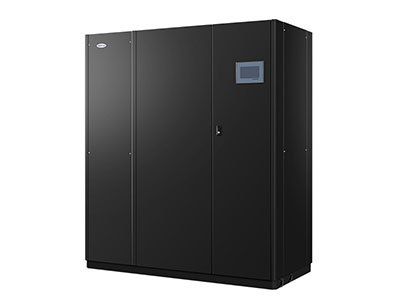
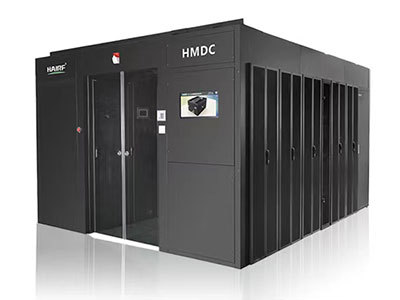
4.4 Modular Cooling Units
Modular cooling solutions offer flexibility and scalability that traditional systems cannot match. These self-contained units can be deployed as needed, allowing data centers to scale their cooling capabilities in response to changing demands. Benefits include:
- **Quick Deployment**: Modular units can be installed quickly, minimizing downtime during upgrades.
- **Customizability**: Data centers can tailor their cooling solutions to meet specific needs, maximizing efficiency.
This flexibility is particularly advantageous for organizations experiencing rapid growth or fluctuating workloads.
4.5 AI-driven Cooling Solutions
Artificial intelligence (AI) is playing a transformative role in the management of cooling systems. AI-driven solutions apply advanced algorithms to optimize cooling operations in real time. Key features include:
- **Automated Adjustments**: AI can automatically adjust cooling settings based on real-time data, ensuring optimal conditions without manual intervention.
- **Energy Optimization**: By analyzing historical data and patterns, AI can identify opportunities for energy savings, reducing operational costs.
As AI technology continues to advance, its integration into server rack cooling systems will become increasingly sophisticated, driving further efficiencies.
5. Benefits of Innovative Cooling Technologies
Implementing innovative cooling technologies provides numerous benefits that impact both operational efficiency and cost-effectiveness:
- **Reduced Energy Consumption**: Advanced cooling solutions can significantly lower energy usage, translating to lower utility bills.
- **Enhanced Equipment Lifespan**: Effective cooling strategies prolong the life of hardware components, reducing maintenance and replacement costs.
- **Increased Scalability**: Modular and flexible cooling solutions allow data centers to adapt to changing needs without major overhauls.
- **Improved Reliability**: With advanced monitoring and predictive analytics, data centers can proactively address cooling challenges, minimizing downtime.
These advantages underscore the importance of adopting innovative cooling technologies in modern data centers.
6. Case Studies: Successful Implementations
Real-world examples demonstrate the effectiveness of innovative cooling technologies.
- **Case Study 1: TechCorp** implemented a liquid cooling system in its data center, resulting in a 35% reduction in cooling energy consumption and a significant decrease in server failure rates.
- **Case Study 2: DataCenter Innovations** adopted immersion cooling technology, achieving a 40% increase in server density without compromising performance or reliability.
- **Case Study 3: CloudServ** integrated AI-driven cooling solutions, leading to a 50% reduction in energy costs and enhanced operational efficiency.
These success stories illustrate the tangible benefits of innovative cooling technologies in various organizational contexts.
7. Future Trends in Server Rack Cooling Innovations
As technology evolves, several trends are likely to shape the future of server rack cooling systems:
- **Increased Adoption of AI and Machine Learning**: AI-driven solutions will become more prevalent, enabling greater automation and efficiency in cooling management.
- **Integration of Renewable Energy**: Data centers will increasingly explore renewable energy sources to power cooling systems, aligning with sustainability goals.
- **Expansion of Liquid and Immersion Cooling**: As more organizations seek to maximize efficiency, liquid and immersion cooling technologies will gain wider acceptance across various industries.
These trends indicate a shift towards more sustainable and efficient cooling solutions that can adapt to the ever-changing landscape of data centers.
8. Frequently Asked Questions
What are the main benefits of liquid cooling systems?
Liquid cooling systems offer higher cooling efficiency, reduced energy consumption, and the ability to support greater server densities compared to traditional air-cooled systems.
How does immersion cooling work?
Immersion cooling involves submerging servers in a non-conductive liquid, which absorbs heat more efficiently than air, ensuring uniform cooling across all components.
What role does AI play in cooling technologies?
AI can optimize cooling operations by analyzing real-time data, automating adjustments, and predicting cooling needs to enhance efficiency and reduce energy costs.
Why should we consider modular cooling units?
Modular cooling units provide flexibility, allowing data centers to adapt their cooling solutions based on changing demands without significant infrastructure changes.
What is the future of server rack cooling technologies?
The future will likely see increased AI integration, renewable energy usage, and wider adoption of liquid and immersion cooling solutions, driven by the need for efficiency and sustainability.
9. Conclusion
The landscape of server rack cooling systems is evolving rapidly, driven by technological advancements and the growing demand for efficiency in data centers. By embracing innovative cooling solutions such as liquid cooling, immersion cooling, advanced thermal management systems, modular units, and AI-driven technologies, organizations can enhance performance, reduce energy consumption, and ensure the longevity of their hardware. As we look to the future, these innovations will play a critical role in shaping data center operations, making them more sustainable and efficient. Embracing these advancements today will prepare organizations for the challenges of tomorrow's digital landscape.
Related news
Revolutionizing Efficiency: Innovative Technologies in Server Rack Cooling Systems
Revolutionizing Efficiency: Innovative Technologies in Server Rack Cooling Systems Table of Contents 1. Introduction to Server Rack Cooling Systems 2. Importance of Efficient Cooling in Data Centers 3. Traditional Cooling Methods: Limitations and Challenges 4. Innovative Technologies in Server Rack Cooling Systems 4.1 Liquid Cooling Solutions 4.2 I
Optimizing AI Server Cooling Systems for Enhanced Performance and Longevity
In the domain of computer digital products, particularly within the network hardware sector, the significance of an efficient AI server cooling system cannot be overstated. As AI workloads become increasingly resource-intensive, the demands on server infrastructure grow correspondingly. Without a robust cooling solution, the performance of these servers can degrade, leading to potential failures a
Maximizing Efficiency with Ceiling Mounted Precision Air Conditioners
In today's technological landscape, maintaining an optimal environment for sensitive equipment is crucial, especially in data centers and server rooms. One effective solution for achieving precise temperature control is the ceiling mounted precision air conditioner. This advanced cooling system is designed to meet the specific requirements of high-density computing environments, ensuring that your
The Future of Server Room Cooling: Innovations in Precision Systems
The Future of Server Room Cooling: Innovations in Precision Systems In today's highly digital world, the importance of efficient server room cooling cannot be overstated. As organizations increasingly rely on data centers to drive operations, the need for advanced cooling solutions has emerged as a critical focus area. This article delves into the future of server room cooling, exploring innovativ
How a Liquid Cooling CDU System Can Extend Your Hardware Life
How a Liquid Cooling CDU System Can Extend Your Hardware Life Introduction to Liquid Cooling Systems In the world of computer hardware, maintaining optimal temperatures is paramount. **Overheating** can lead to diminished performance, system failures, and a shortened lifespan of components. Liquid cooling systems, particularly **Cooling Distribution Units (CDUs)**, offer a sophisticated solution t
Unlocking the Future: AI Computing Infrastructure Solutions for Enhanced Network Performance
In today’s rapidly evolving technological landscape, AI computing infrastructure solutions have emerged as pivotal in enhancing network hardware and components. These solutions leverage artificial intelligence to optimize operations, improve resource allocation, and facilitate real-time decision-making. Understanding the significance of AI in this context can provide businesses with a competitive

Copyright Clarify:
copyright ownership belongs to Hairf Company, shall not be reproduced, copied,or used in other ways without permission.Otherwise, Hairf Company will have the right to pursue legal responsibilities.
Serial NO.:HFSZC171008

+86 13910733790
East of Huishan Road, Shuangfeng Development Zone,Hefei City, Anhui Province, China
ONLINE MESSAGES
copyright © 2022 Hairf Company


